From Soil
to Sweater
A wool economy rooted in land, animals and people — mobile shearing and market access for communal farmers across the Eastern Cape.
Who We Are
A social enterprise with a profit-share business model — we are owned by the farmers we shear for.
Our Mission
Restore Africa's communal rangelands through small stock production support, mobile market access, and value chain development.
The Incentive
Market access for wool — delivering cash into farmers' pockets within two weeks of shearing, and support toward premium prices.
The Result
Restored rangelands. Empowered farmers. Healthy livestock. Beautiful wool. Resilient communities.
What Mobile Shearing Has Achieved So Far.
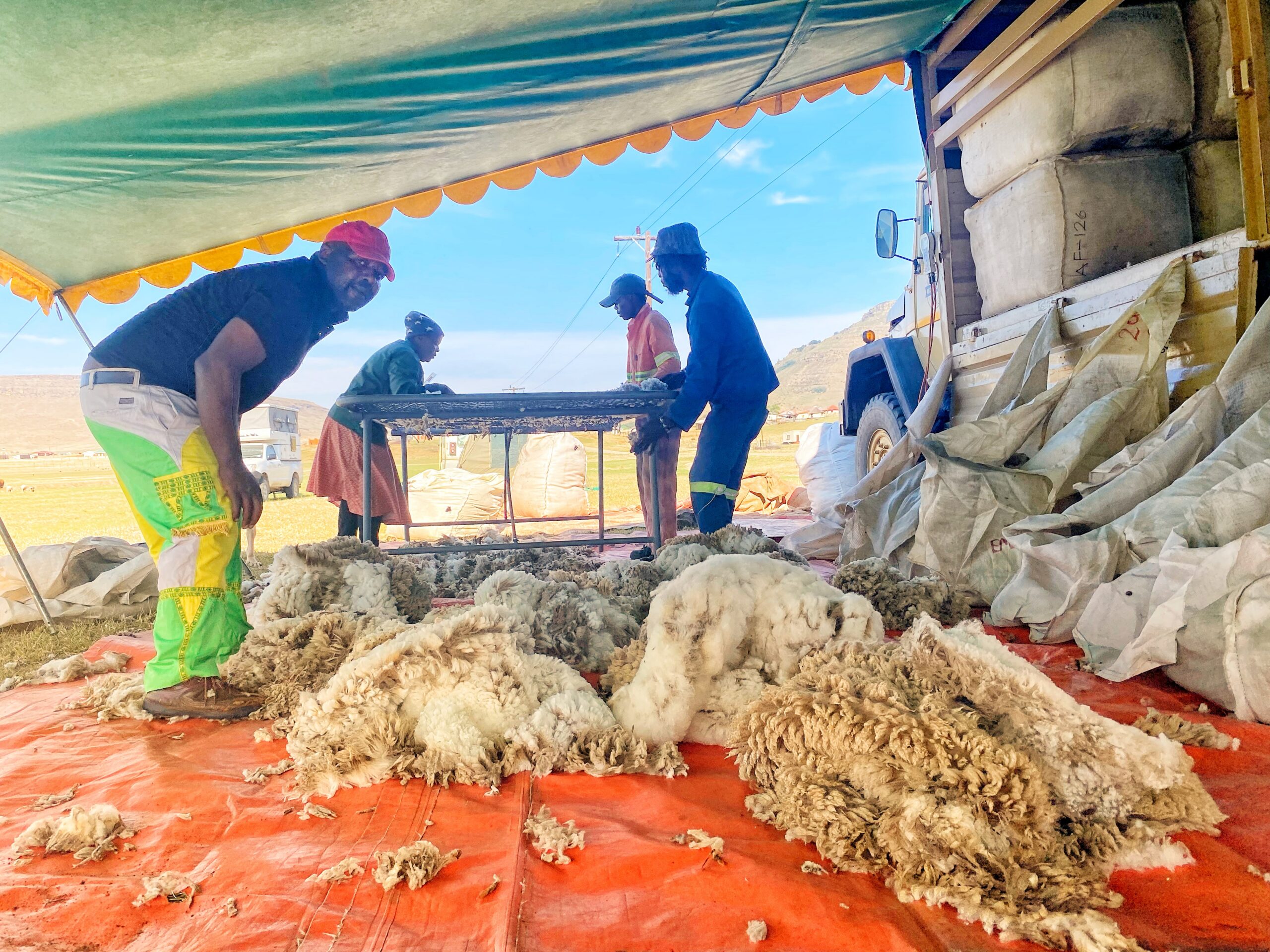
Shearing comes to the farmer, not the other way around.
Fleece Naturally Africa provides mobile shearing services to communities located more than 20 km from a fixed shearing shed, ensuring even the most remote farmers have access to essential shearing facilities. This brings the process directly to farmers, reducing the logistical challenges and stress of transporting sheep or collecting the wool clip.
- Farmers can opt to be paid immediately, minimising the risk of an unpredictable wool market.
- 100% of any profit from wool sales returns to the farmer associations.
- Collective investment follows — into animal management, breeding, and training.
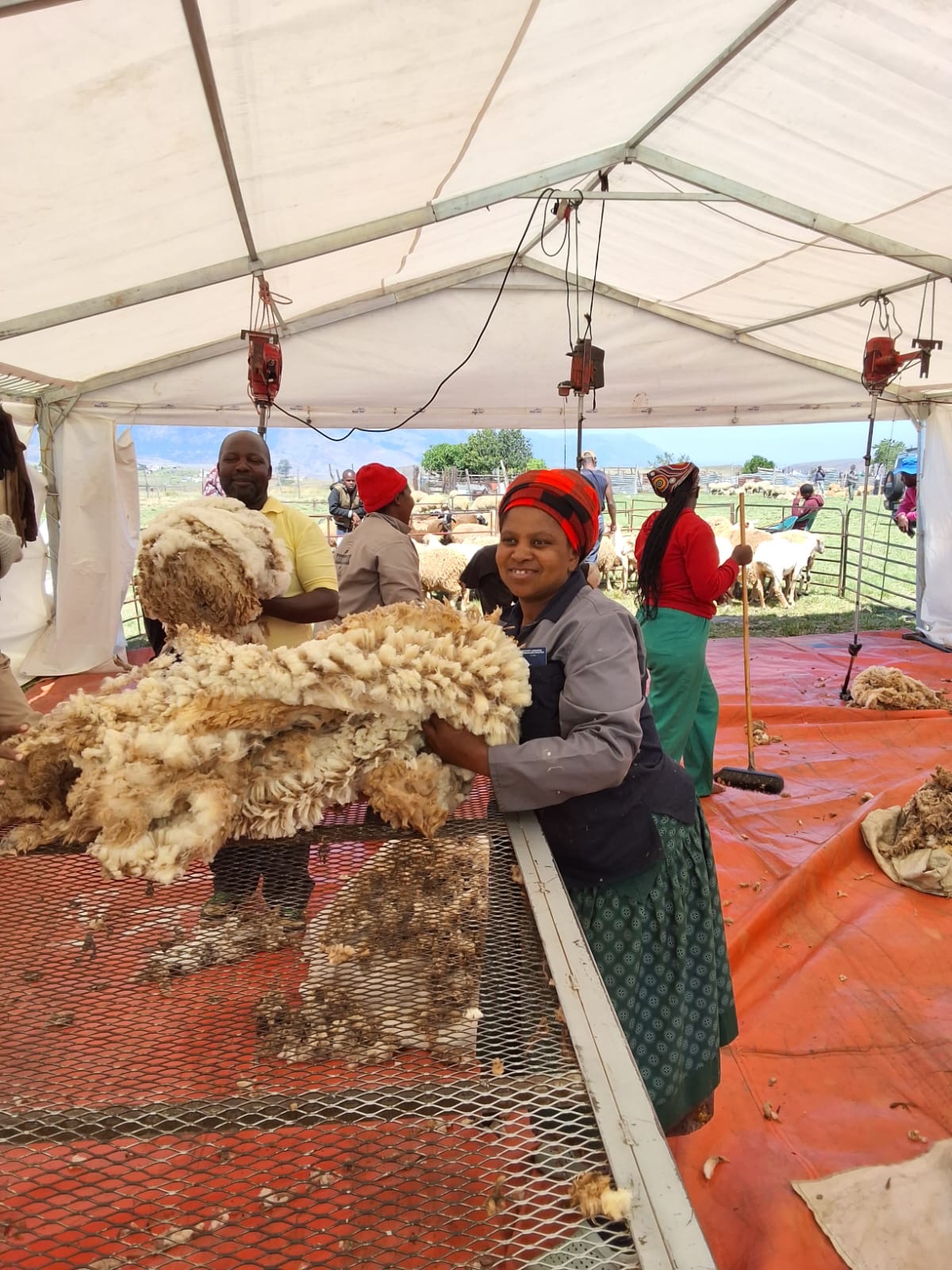
Cash in hand, within two weeks of shearing.
Communal farmers have historically operated outside the commercial wool system. Fleece Naturally Africa seeks to redress that — connecting isolated flocks to the market and turning fleece into fast, fair, traceable income.
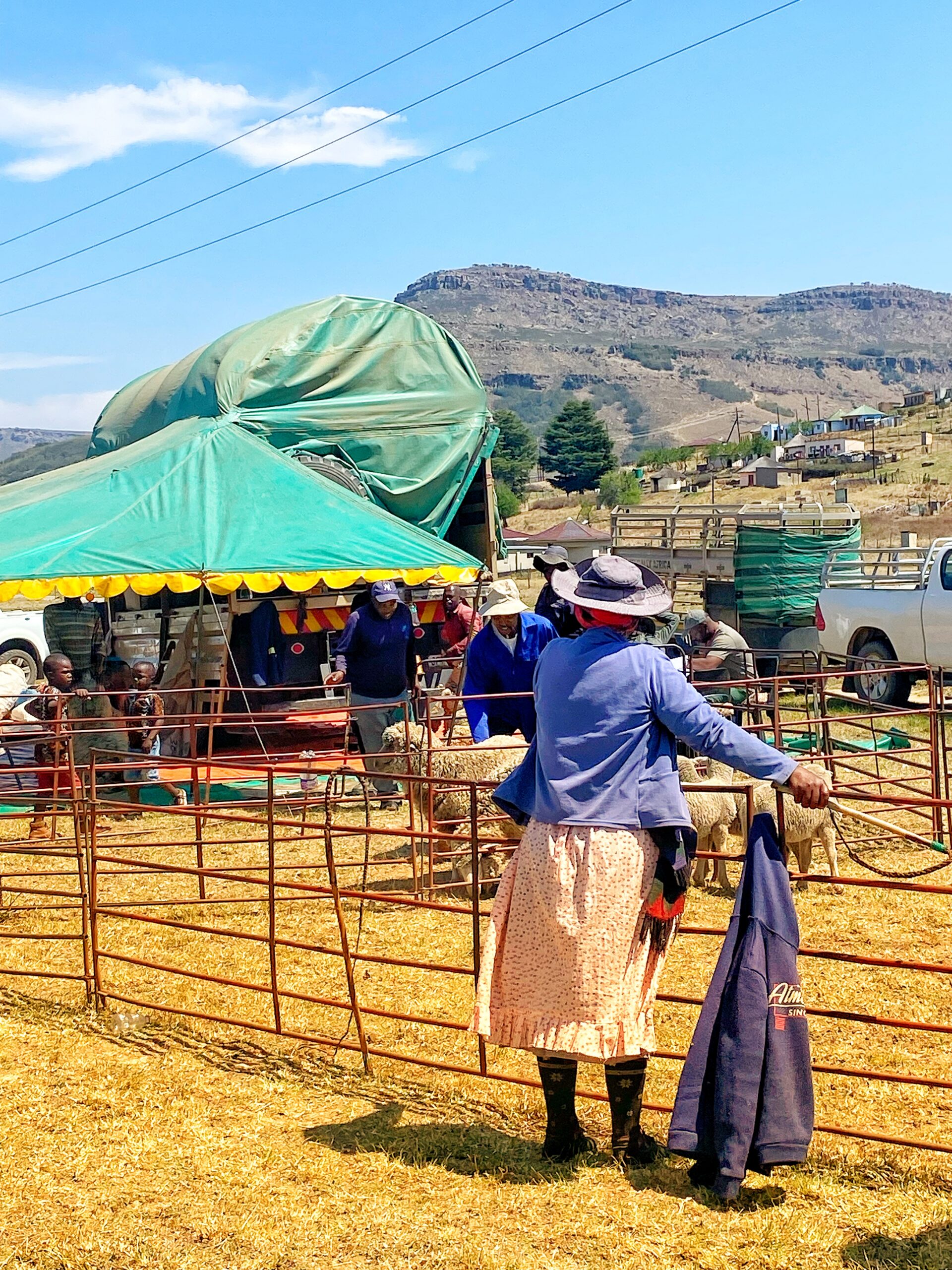
Over 1,000 farming households, across 25 communities.
Communal farmers operate outside the commercial system — Fleece Naturally Africa seeks to redress the historical underrepresentation and exploitation of their wool clip, one shearing day at a time.
The wool journey.
Land
Communal rangelands, grazed and stewarded by the farmer associations who depend on them.
Grazing
Regenerative grazing practices, guided by trained eco-rangers, keep the grassland healthy.
Sheep
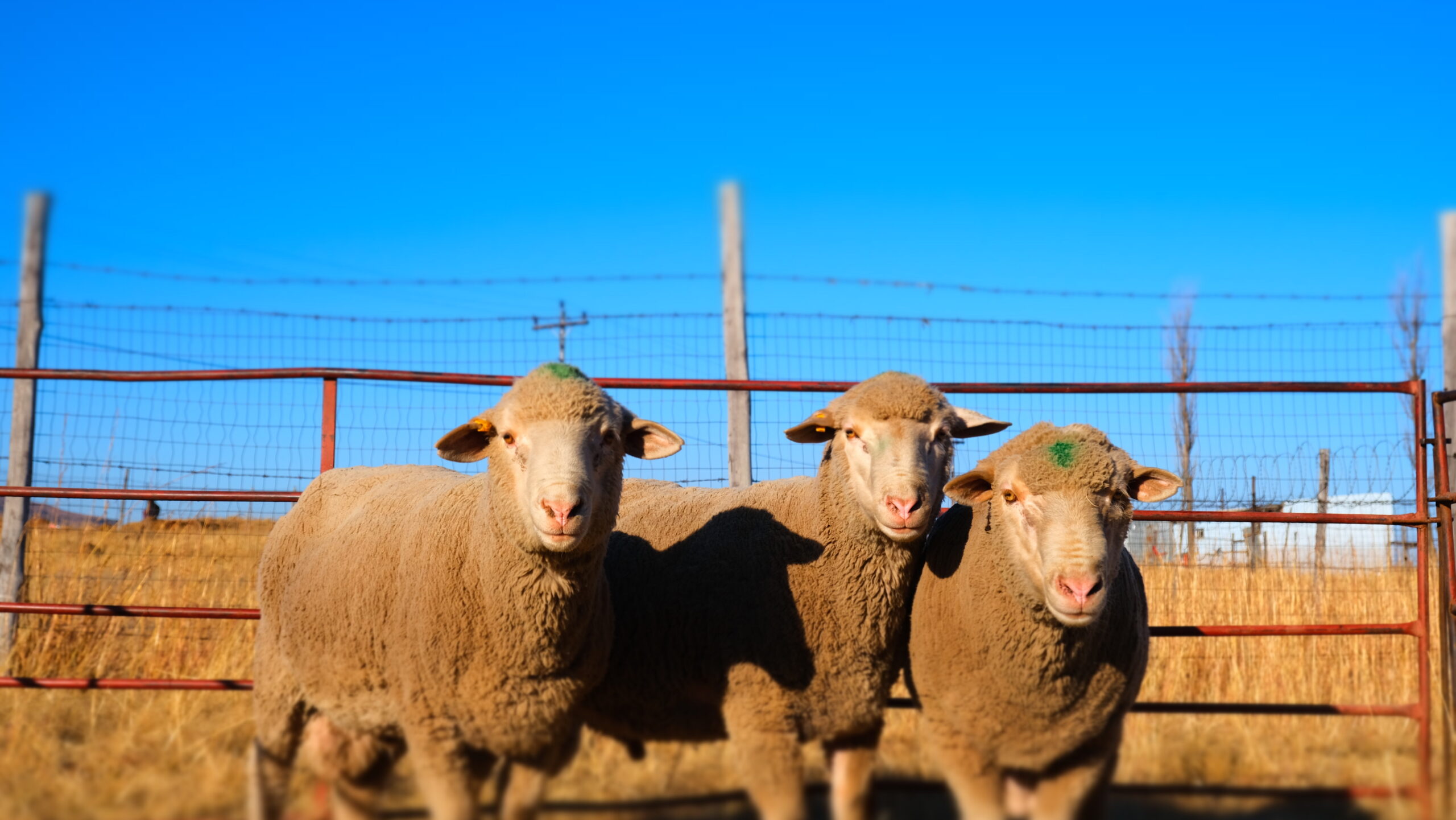
Healthy flocks, managed collectively, produce stronger, more valuable fleece.
Shearing
The mobile shearing unit travels directly into remote communities.
Wool
Clipped, sorted, and weighed on site — ready for market within days.
Value
Payment lands within two weeks; profits return to the farmer associations.
Community
Income, skills and land stewardship compound — season after season.
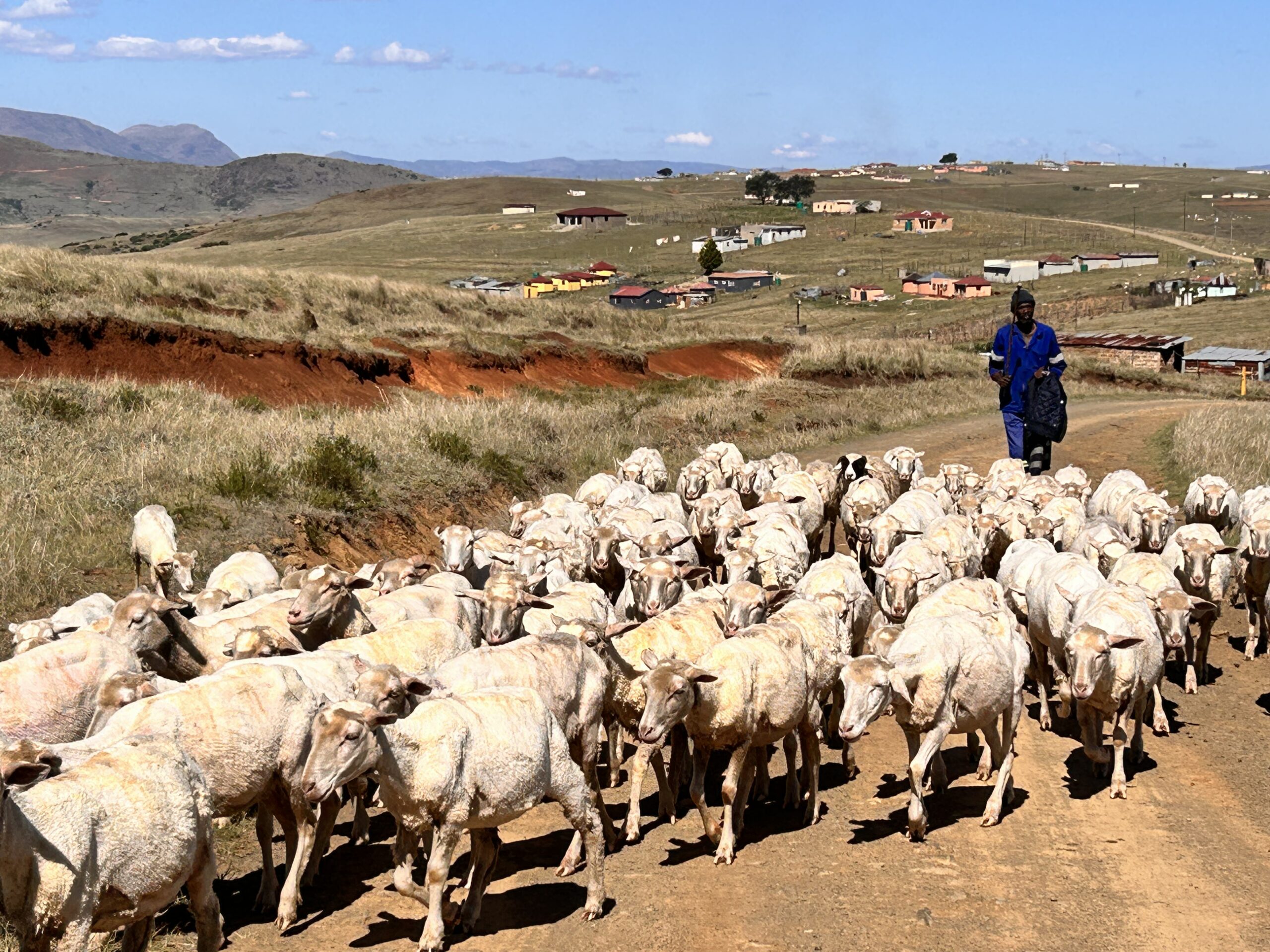
Restores the land.
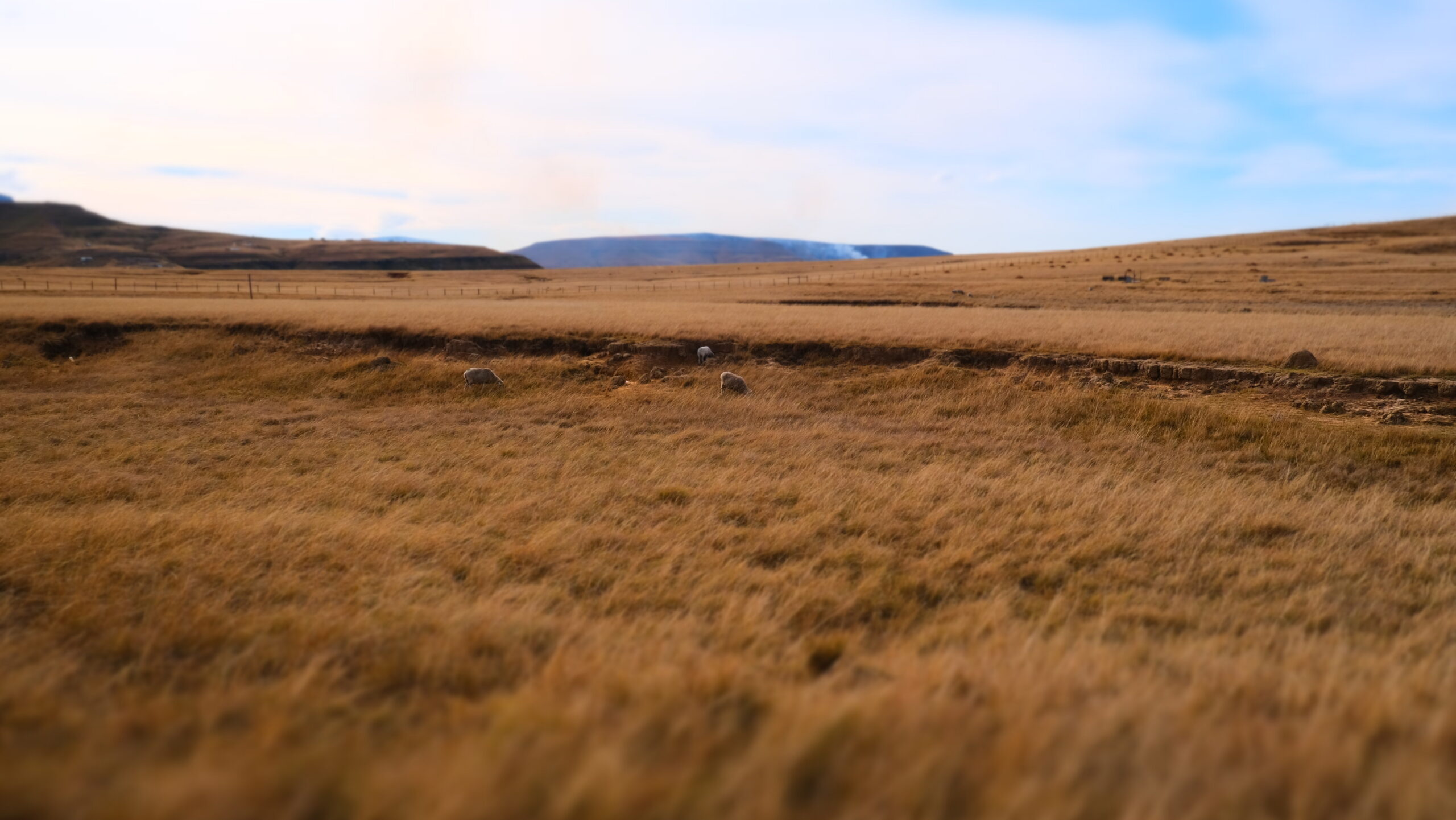
Africa's grasslands evolved to require grazing — yet sedentary livestock practices have degraded vegetation, wetlands and biodiversity. By working with farmer associations, training and deploying eco-rangers, and incentivising regenerative practices through market access, we restore carbon-storing rangelands and sustain livelihoods for generations.
They support billions of livestock farmers globally and are important sources of stored carbon. In South Africa, communal farmers depend on rangelands for the health of their valuable livestock.
By restoring these lands, farmers are not only securing a sustainable future for their livestock and livelihoods, but by contributing to storing carbon, also become actors of climate change mitigation. As an added value, restored rangelands are more resilient to climate change impacts — contributing to the environmental and economic resilience of their communities as a whole.
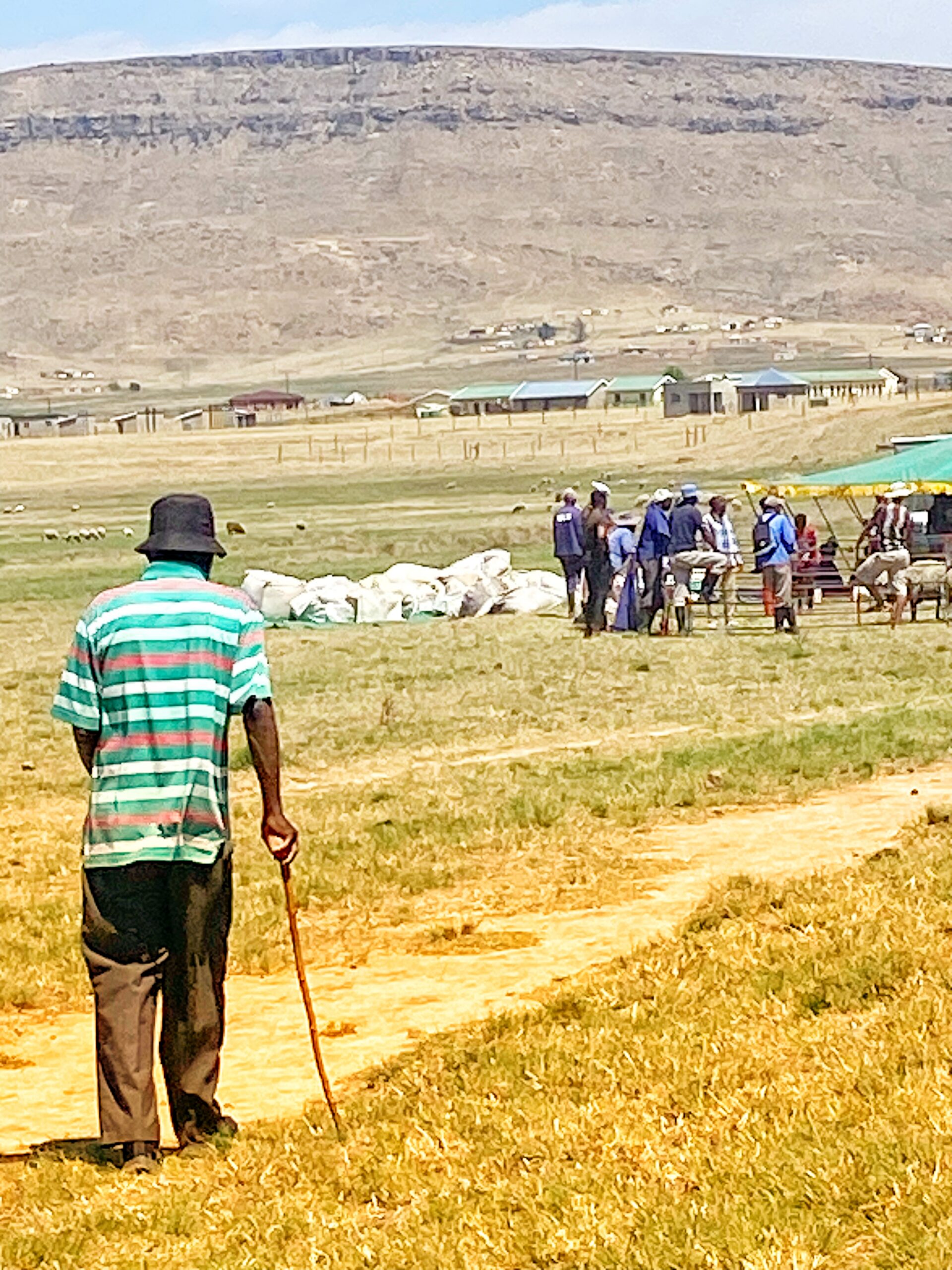
The people who live here are its best stewards.
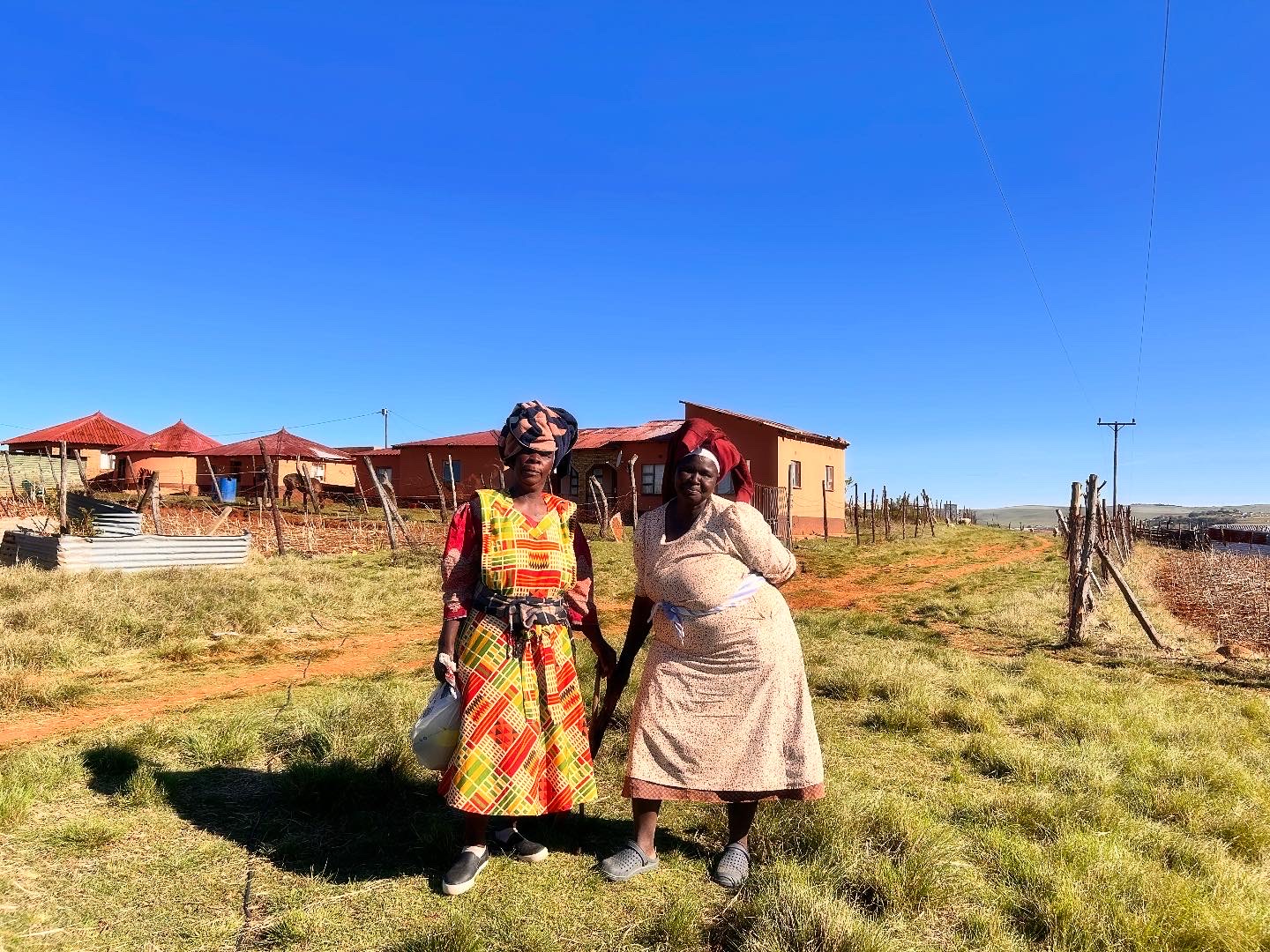
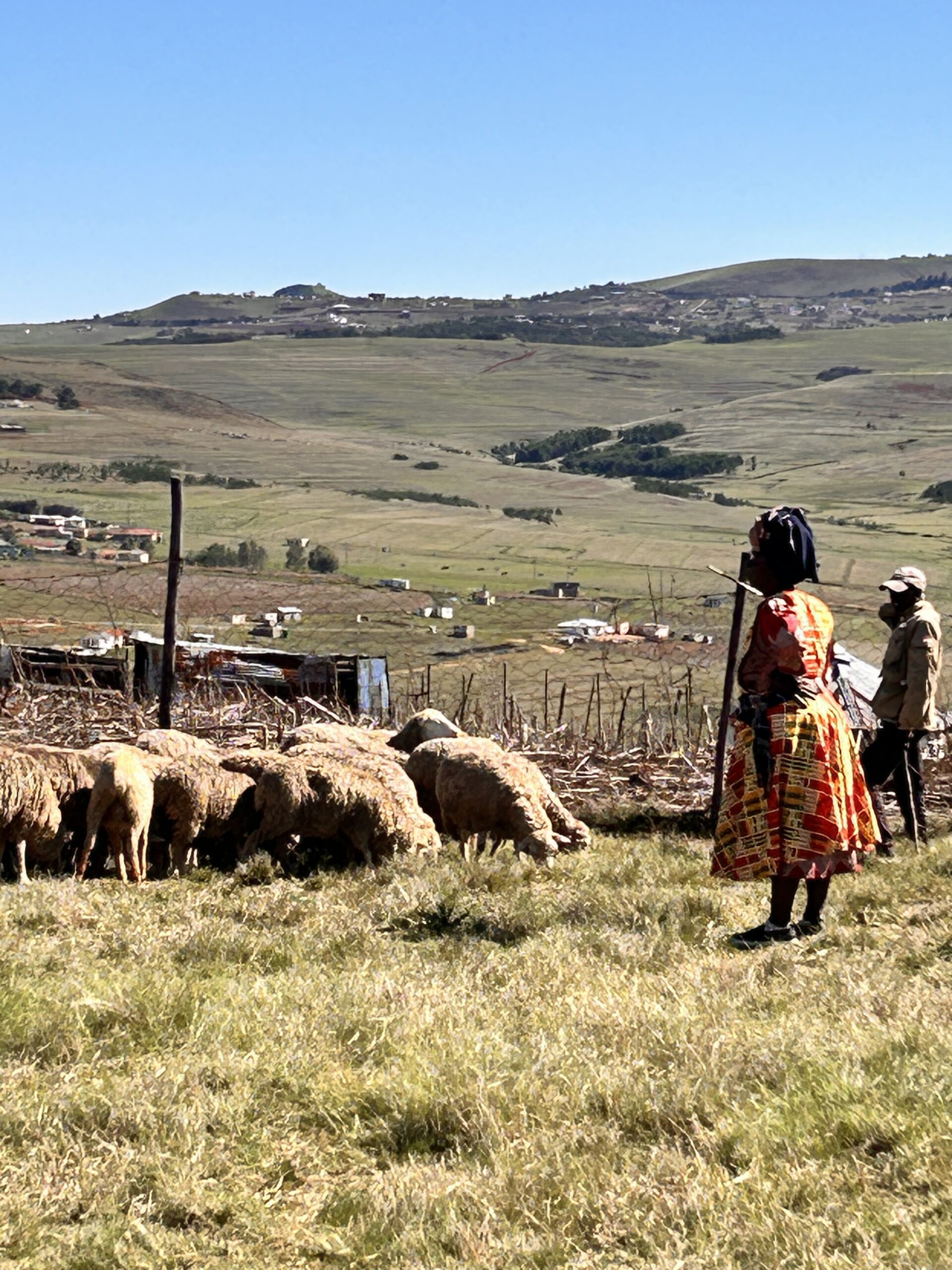
Across the breathtaking grasslands of the former homelands of the rural Eastern Cape, this land has been grazed, watched over and cared for by the same communities for generations — and it is their knowledge that regenerative grazing builds on.
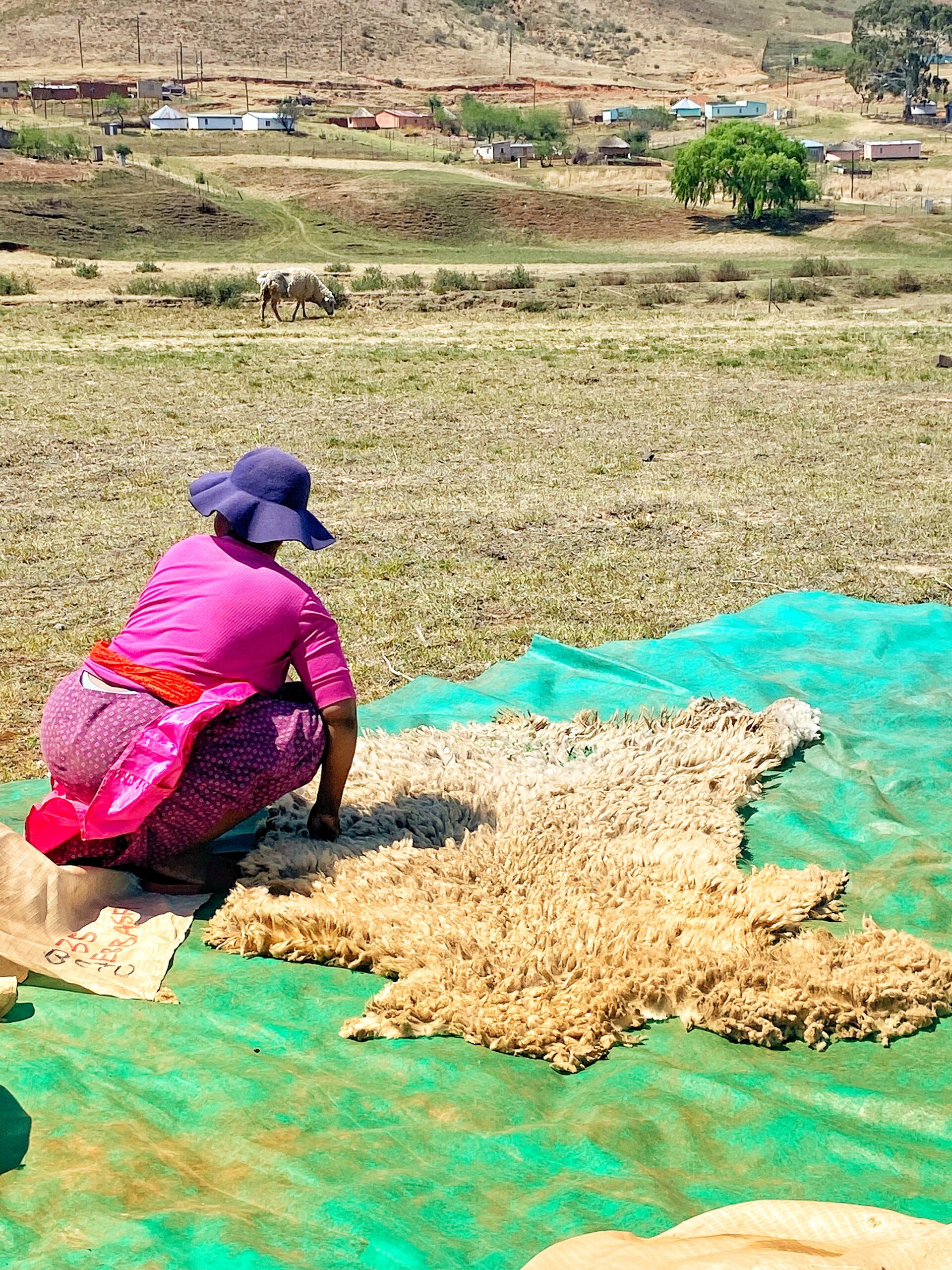
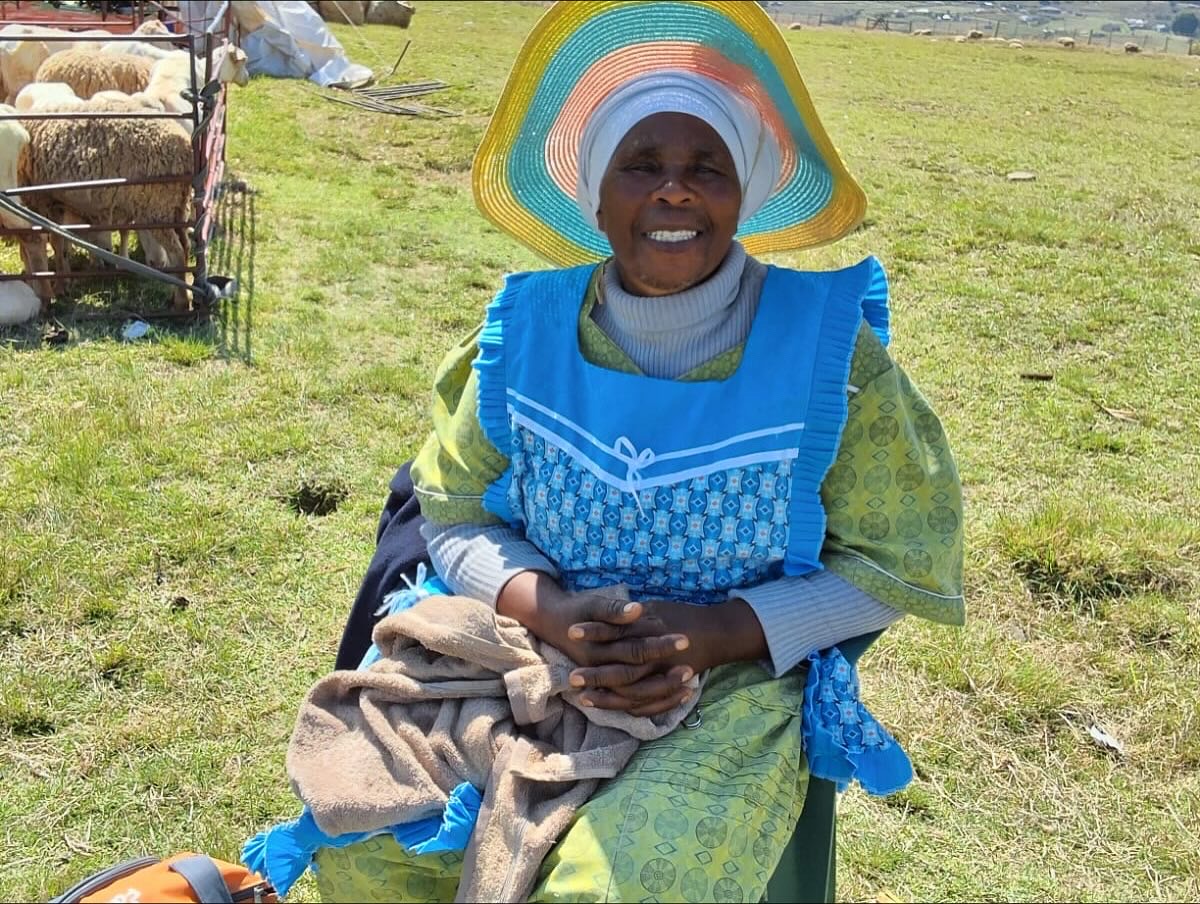
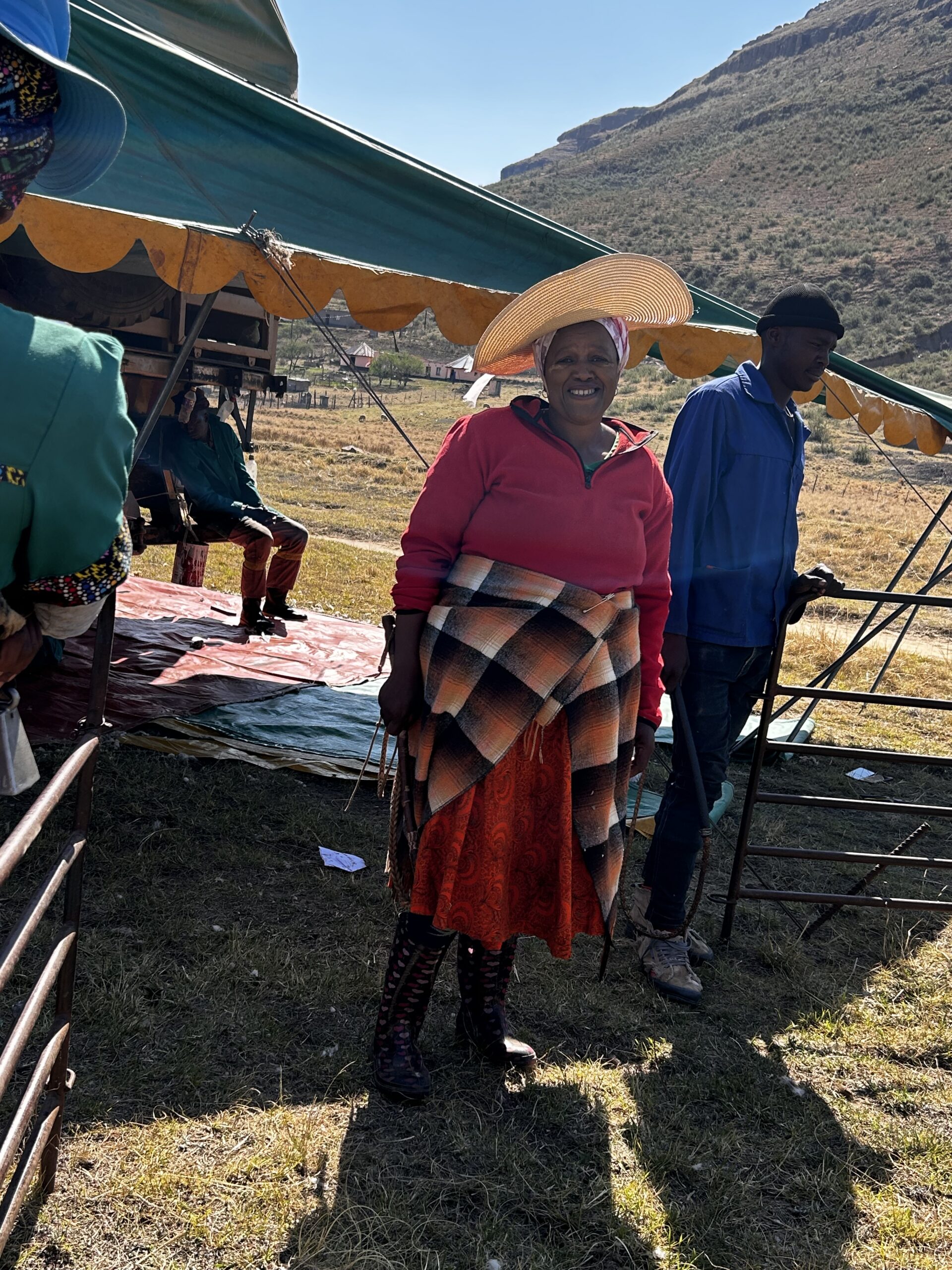
Women power every community we work with.
Nearly half of the wool farmers participating in our shearing programme are women — smallholder farmers who depend on their flocks for household income, food security, and community standing.
Income
Delivered within 2 weeks of shearing — critical for school fees and family needs.
Collective power
100% of profits returned to Farmer Associations, giving women a collective voice.
Land stewardship
Participation in regenerative grazing builds long-term stewardship skills.
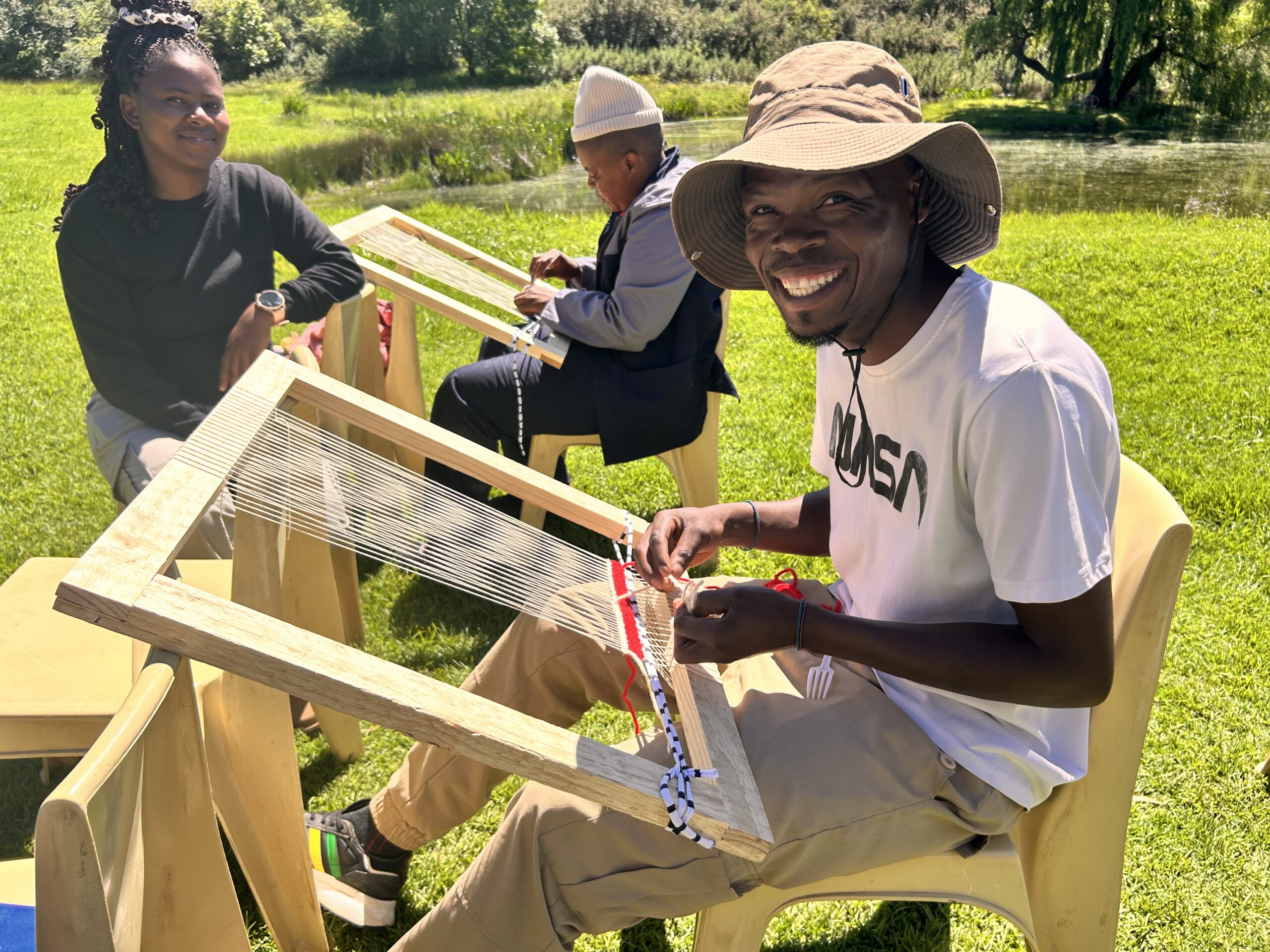
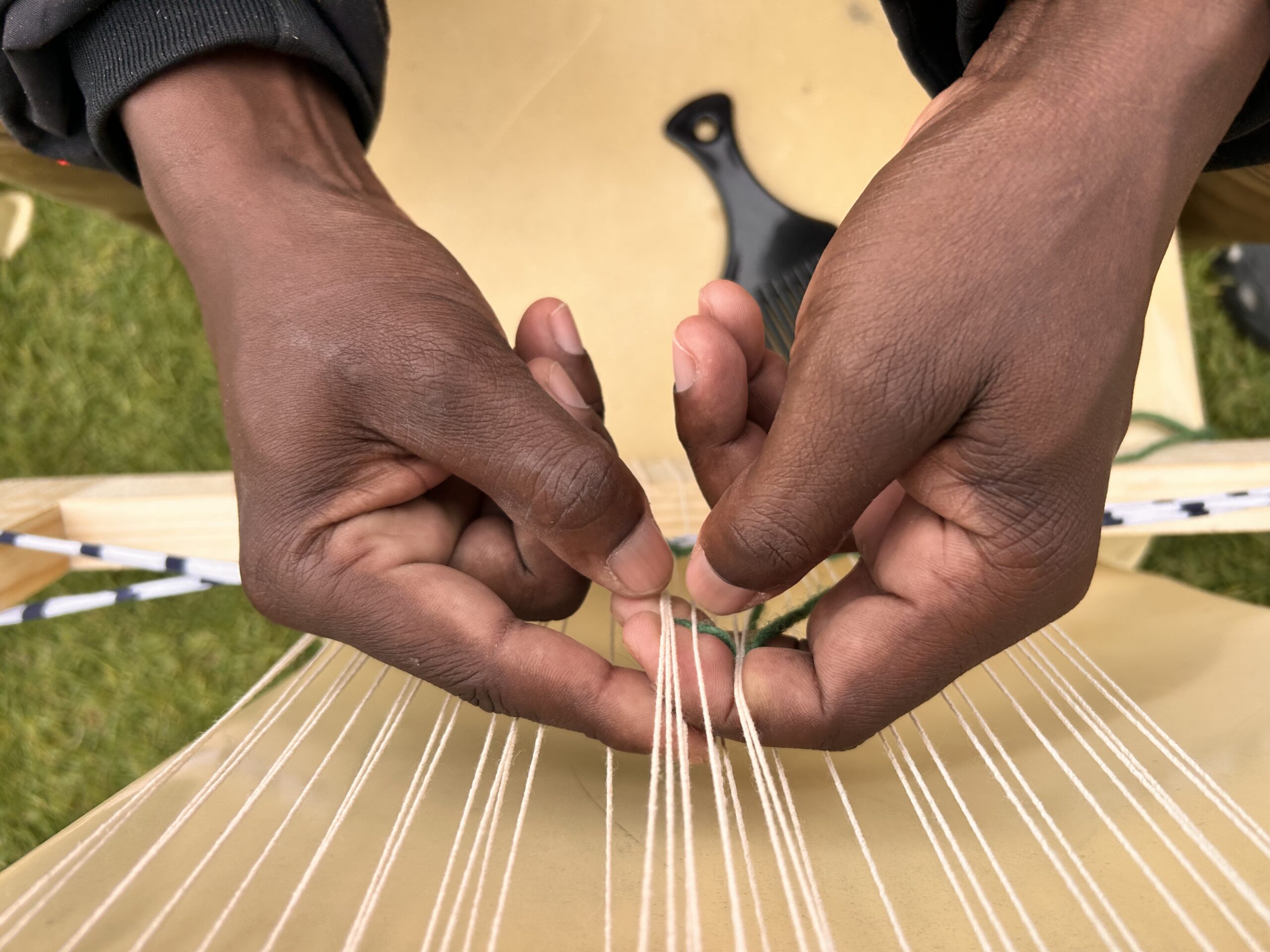
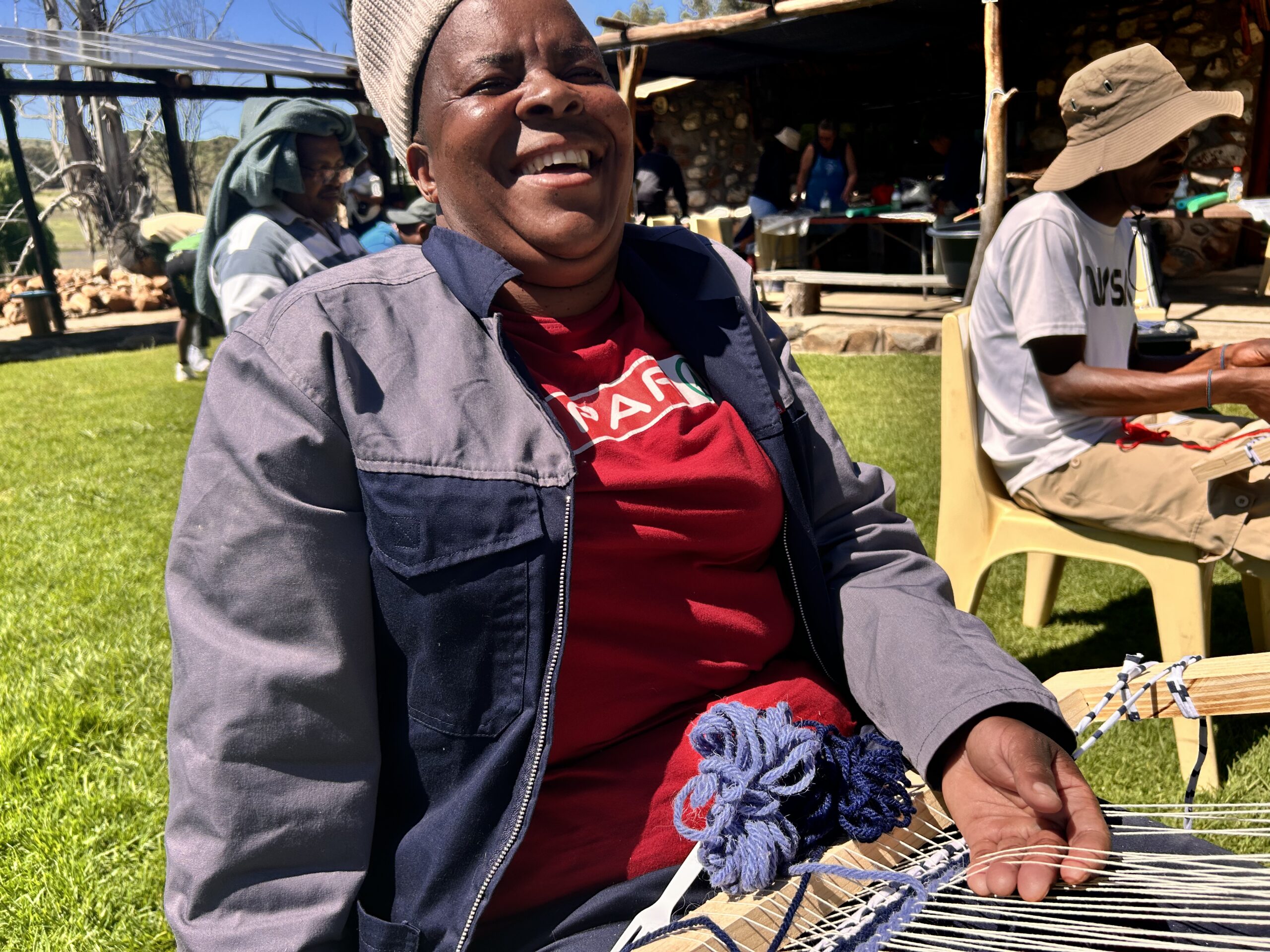
Bringing vital craft skills to learners from our communities.
The Partnership
The Cape Guild of Weavers has been supporting Fleece Naturally Africa by providing hands-on weaving and fibre-craft workshops directly in the communities we work with.
Skills Transfer
Learners from rural Eastern Cape communities gain practical skills to process and add value to the wool clip locally — from raw fleece to finished textiles.
Why It Matters
Connecting producers to craft unlocks new income streams and deepens community ownership of the full wool value chain — from rangeland soil to sweater.
From soil to sweater.
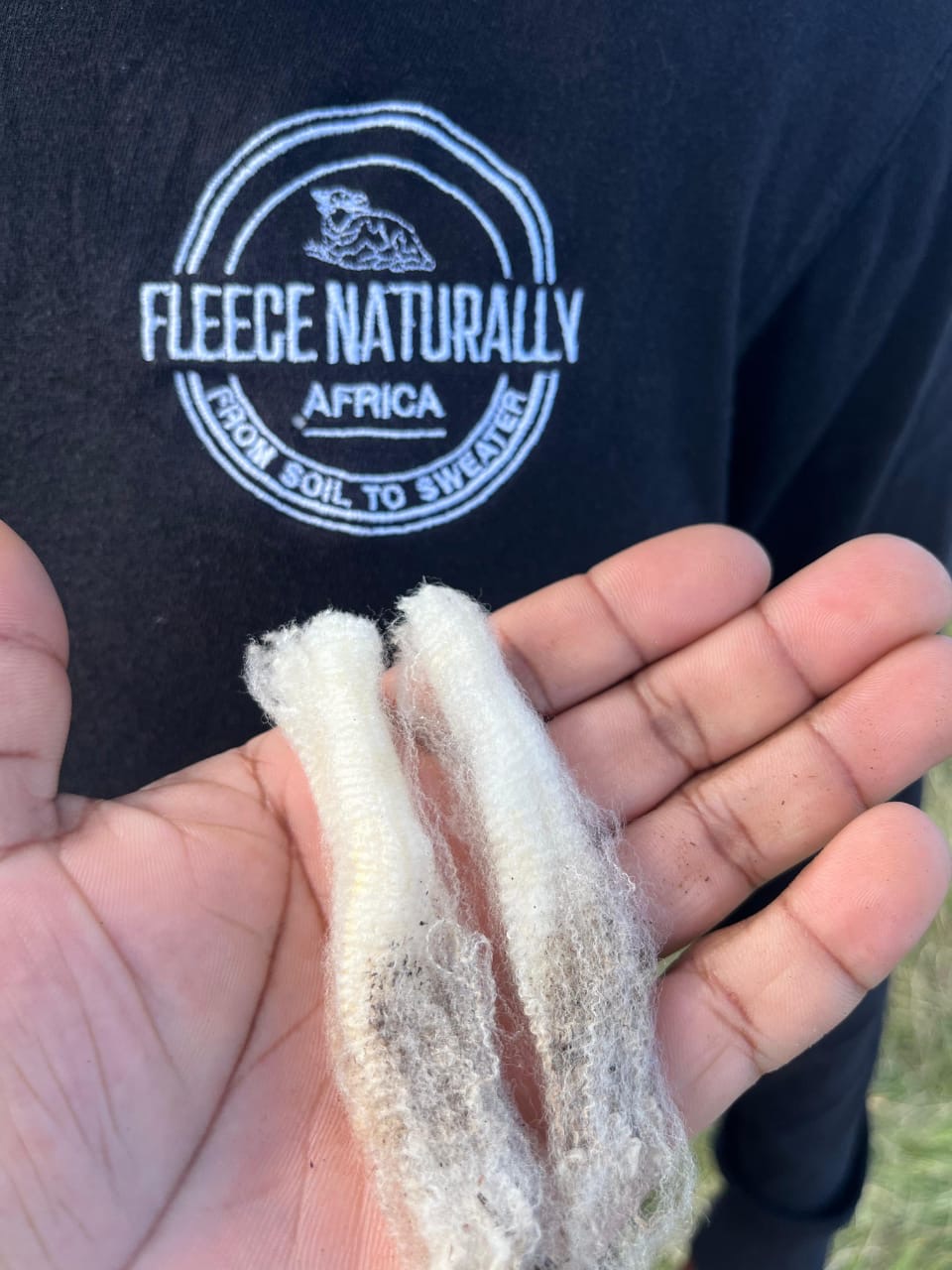
Every thread carries the story of the land, the animals and the people who tend it — from rangeland soil, through the farmer's hands, to finished wool.
Follow the journey.
Be part of something that is growing... from the ground up.
Fleece Naturally Africa is building a wool economy rooted in traceability, sustainability and community — where every thread tells the story of the land, the animals and the people who tend it. Across the breathtaking grasslands of the former homelands of the rural Eastern Cape, FNA is helping communities reclaim their place in a wool value chain that has historically bypassed them. When you choose traceable, community-grown wool, you support farmers restoring the land, animals raised with care, and families building sustainable futures in the places they call home.